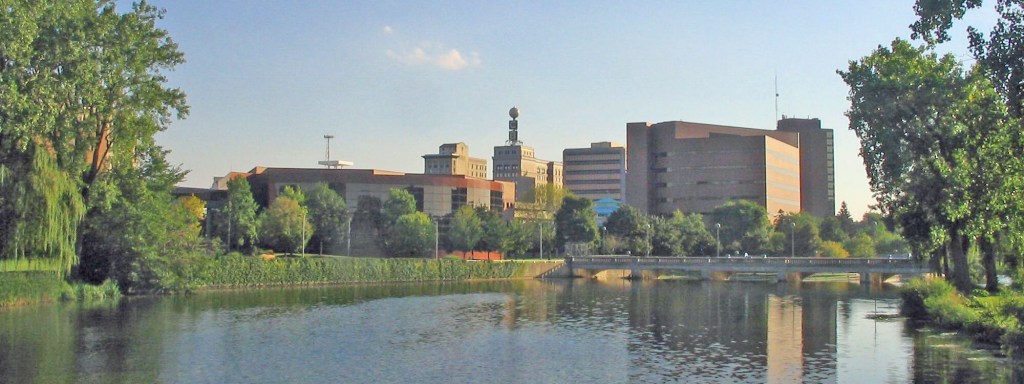
In 2014, the Flint drinking water supply was contaminated with lead. This happened as a result of a change in water management systems. The water service was changed from the Detroit system supply to the local Flint river as a result of money saving efforts. However, the city failed to adequately treat the water and install new infrastructure. The failure to ensure proper water treatment and pipe functionality resulted in the leaching of lead into the water, thus, endangering the aquatic organisms and the eventual toxication of the drinking water. Which then resulted in one of the biggest environmental injustices and human rights violations in recent history.

Failure to regulate and properly manage water bodies and infrastructure can have cataclysmic effects. The decline in water quality not only affects the organisms that inhabit these bodies but the ecosystem as a whole. The Flint Michigan case proved how environmental injustices could also be detrimental to humanity. Systems can not exist out of sync to each other. It’s cases such as these that point out the need to have water management strategies properly executed to ensure both environmental safety and the preservation of the resource for human use.
 Water Mania
Leave a comment