
The world is changing and so should our ways of dealing with these changes. Long gone are the days where we can expect nature to self-correct without our help. Human use of resources has stretched nature’s ability almost to the breaking point. Something has got to give.
Water is our most vital open-source second to air, without it, entire ecosystems could collapse.
In many places of the world, freshwater shortage is an issue. Many impoverished countries face shortages as a result of climate change and a lack of infrastructure, whereas developed countries face conflicts between varied usage, water quality deterioration, and droughts.

The situation at hand…
The world has seen a drastic increase in the human population levels, and this has brought about drastic consequences for all involved. Industrialization and the spread of humans deeper into natural environments thus causing systems to be altered from their natural state. Water pollution and declining water quality seems to be a huge problem and will continue well into the future should these problems not be addressed. The most recent case being that of Flint Michigan and the prospect of Cape Town reaching day zero. When discussing what happened in Flint, the terms environmental injustice and social injustice are frequently used. Environmental injustice is defined as when certain communities or groups are subjected to higher levels of environmental risk than other sectors of society. This is because the water issues disproportionately impacted the poor and underprivileged. Children in low-income and impoverished neighbourhoods become ill after drinking polluted water. However, until social media activists pushed the matter to the forefront, little attention was paid to it. Not only does the situation in Flint, Michigan, serve as a model for water budget mismanagement, but it also serves as a warning. As the same happens in rivers and oceans the world over.
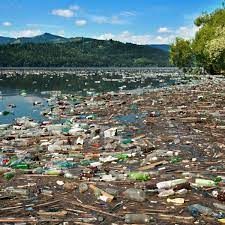
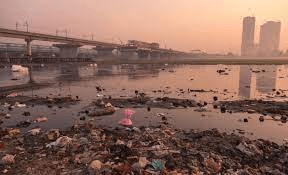
Water is not a resource we can replicate on our own, our freshwater systems are finite. We cannot make more. While marine systems are areas of high biodiversity and are vital to marine life. Our use of these systems has resulted in their deterioration and pollution thereby endangering these environments and the organisms inhabited within.
Why water conservation?
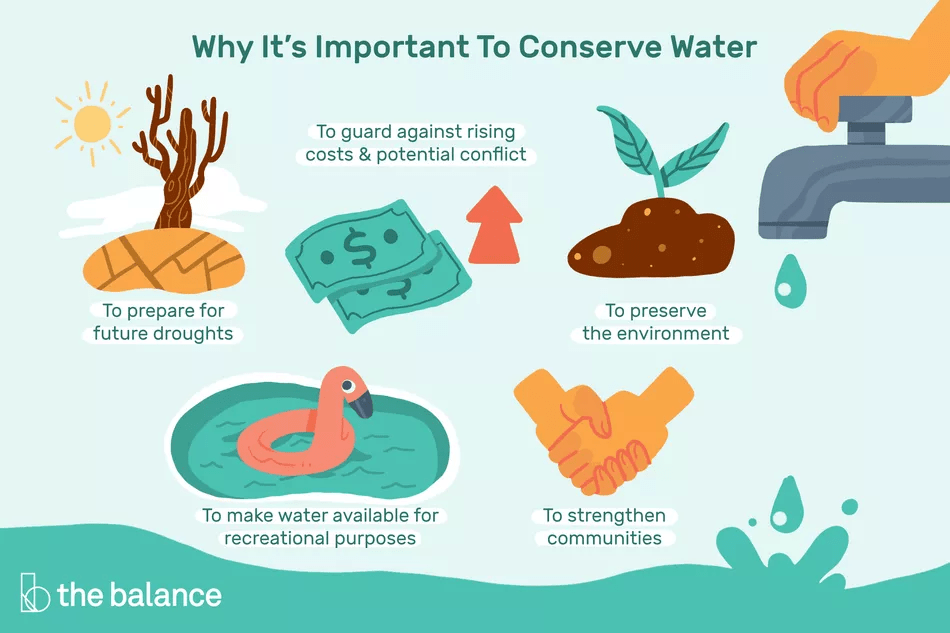
Water conservation refers to how we use and care for our limited water resources. Because we all rely on water to live, it is our obligation to learn more about water conservation and how we can help to maintain our water supplies clean and safe for future generations. It is an integral part of survivability. It is in our food, in the air. We need it for farming, sanitation, and basic hygiene. In all essence, water is life.
How to go about it…
Water conservation refers to the intelligent use of water and the avoidance of waste. Therefore, most conservation begins at home before it gets to a government level. When we use water efficiently, we may reduce the amount of additional water that is taken from our rivers and aquifers, which is especially important as demand grows. This safeguards our water resources as well as the wildlife that depends on them for survival. Building new infrastructure to accommodate rising demand becomes more expensive as water resources become scarcer. Instead building new smart infrastructure, that allows for the sustainable use of water resources is more recommendable. So is fixing leaks in pipes and replacing old water infrastructure. This can save water and relieve demand on current systems. Furthermore, efficient water use makes our supply more adaptable to climate change impacts, such as droughts.

For further information, please visit http://www.waterwise.co.za/site/home.html
 Water Mania
Leave a comment